Loading. Please wait...
Journal · 6 min read
The Silence of Stones
On what remains when everything collapses
There are ruins that ask for nothing. They do not wish to be restored, nor understood. They hold, that is all. And in that mute obstinacy, they say more than any book.
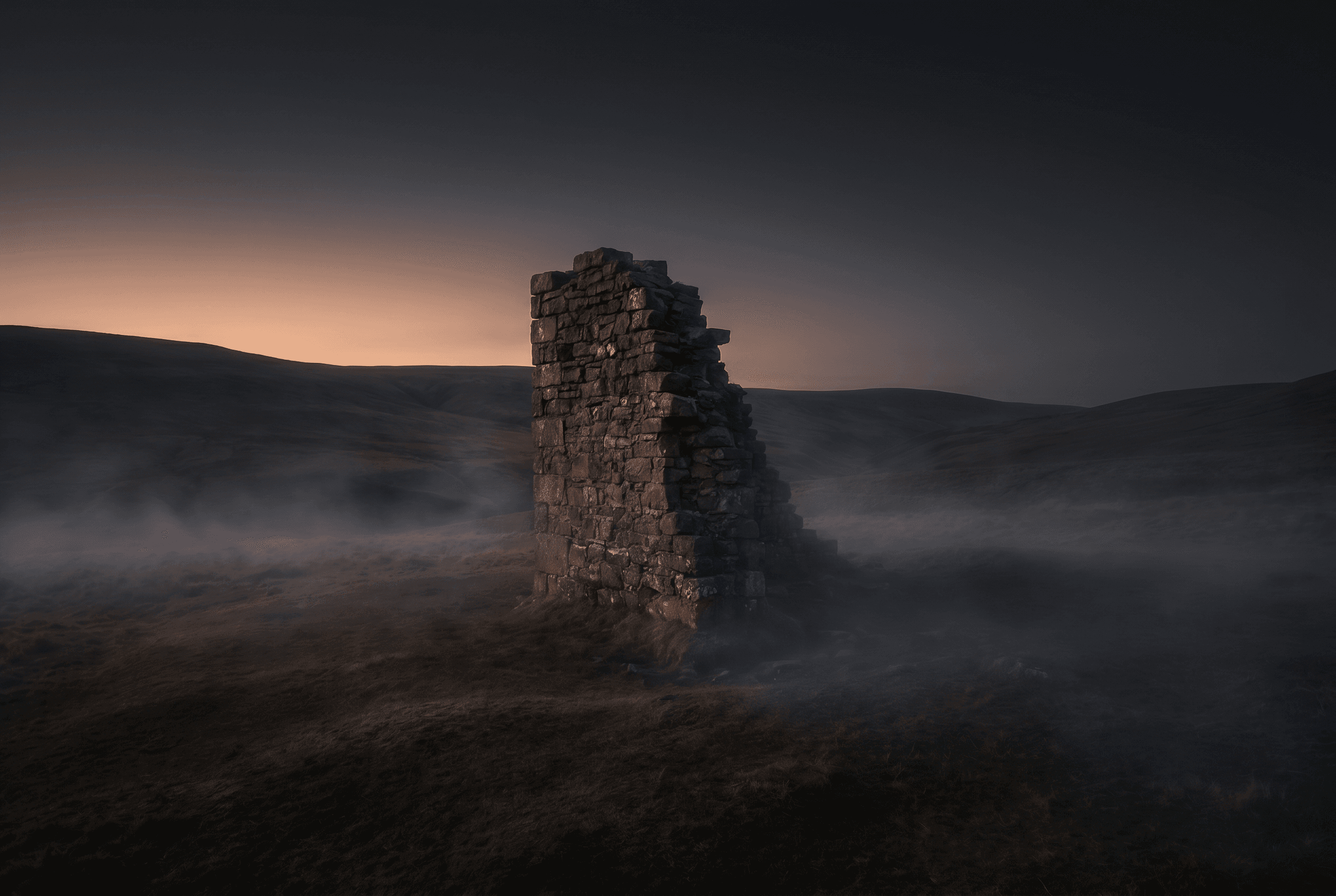
I have long searched for words to describe what I feel before a crumbling wall. It is not nostalgia. It is not sadness. It is a form of respect. The wall has crossed time without asking anything of anyone. It did not seek to please, nor to endure. It was simply there, and time did the rest.
One sometimes writes as one builds a wall. Stone after stone, not knowing if anyone will ever pass before it. Writing, when sincere, does not seek the gaze. It settles, like dust upon stones, and waits. Perhaps someone will see it. Perhaps not.
What fascinates me about ruins is their total absence of vanity. They have renounced everything that made them useful. Only the form remains, and in that stripped form, a beauty the architect had not foreseen.
I often think of my own words as stones. Some will hold. Others will crumble. I have no control over what will remain. And that is perhaps the writer’s only true freedom: accepting that the work escapes him, that it becomes ruin in its turn, and that in that ruin, something unexpected begins to live.
The silence of stones is not emptiness. It is fullness. Full of everything that was said, lived, forgotten. Stones remember without memory. They carry the weight of time without naming it. And when one sits near them, if one is silent long enough, one hears something. Not a sound. Not a word. Something older than language.