Loading. Please wait...
Journal · 7 min read
The Nameless Tree
Roots, exile, and the memory of the living
A tree does not choose where it grows. It grows, that is all. And when the wind uproots it, it does not protest. It falls, and in its fall, it carries with it all the memory of the soil.
I am an uprooted tree. Not by violence, not by accident. Through a gradual decision that was never quite a decision. One leaves a country as one leaves a room: thinking one will return. And then the door closes, and one understands that return does not exist.
Exile is not a place. It is a state. A state of suspension between what one was and what one will never quite be. One carries two languages within, two skies, two ways of counting the seasons. And neither is quite right.
Prague taught me silence. Not the silence one endures, but the silence one chooses. The silence of someone listening to a city speak in a language they have not quite mastered. There is a kind of grace in that partial incomprehension. One hears the music rather than the words.
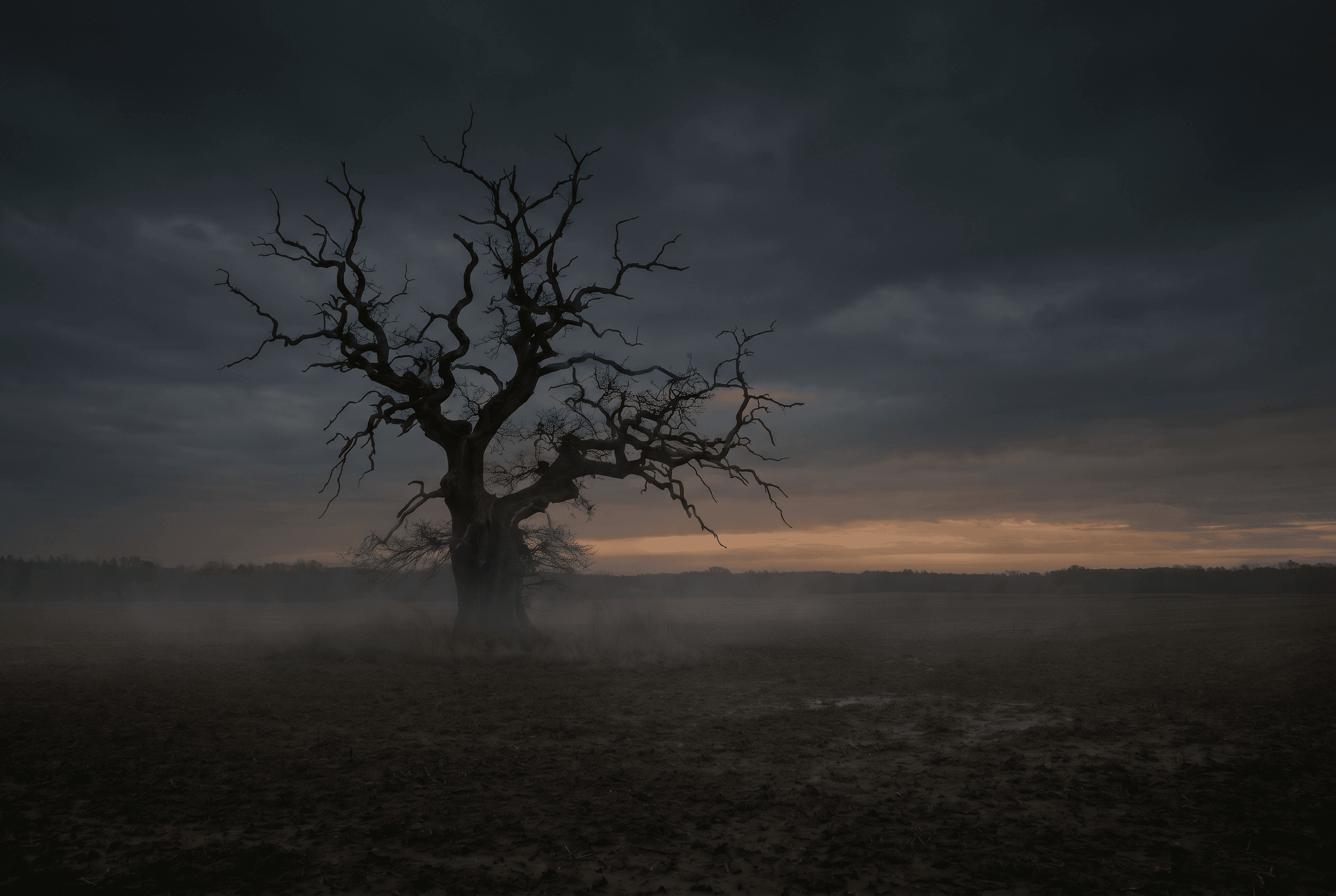
The nameless tree is the one that grows between two lands. Its roots no longer know to which soil they belong. But they hold. They hold because that is what roots do: they cling, even when the ground gives way.
To write from exile is to write from that fault line. From that space between two worlds where words belong to no one. And it is perhaps there, in that linguistic no man’s land, that literature finds its true voice. Not the voice of a country, nor of a tradition. The voice of the silence that precedes all speech.
The tree does not know it is beautiful. It does not know it is alone. It grows, it bends, it resists. And when it dies, it dies standing. That is all I ask of my books.